APJ ABDUL KALAM
WINGS OF FIRE
An Autobiography
with Arun Tiwari
Wings of Fire is not just an autobiography—it feels like a quiet, steady journey that stays with you even after you finish reading. Written by A. P. J. Abdul Kalam along with Arun Tiwari, the book traces Kalam’s life from his childhood in the small town of Rameswaram to his rise as one of India’s most respected scientists. What makes this book special is not just the story itself, but the way it is told—with simplicity, honesty, and a sense of purpose. The book begins with Kalam’s early life, and these chapters are some of the most memorable. He describes growing up in a modest household, where life was not always easy but was filled with strong values. His father, who was not formally educated, still had deep wisdom and a calm strength that influenced Kalam greatly. His mother’s kindness and generosity also left a lasting impact on him. These early influences shaped his character in a way that becomes visible throughout the book.
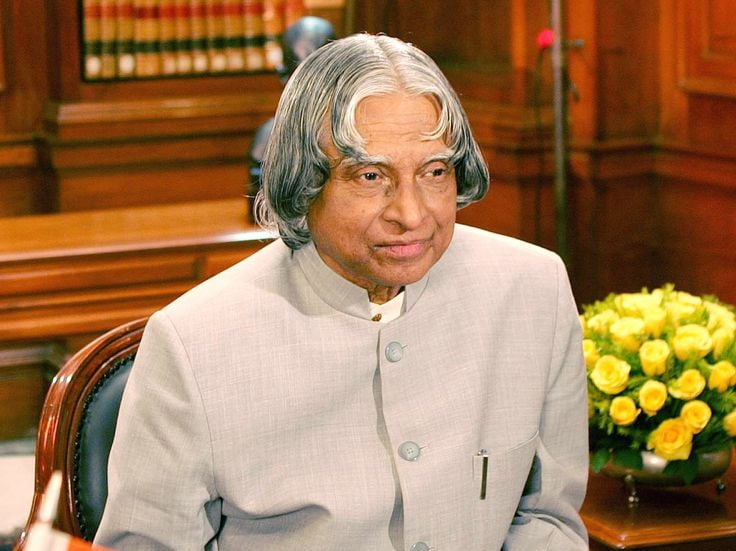
What I personally found inspiring is how Kalam talks about his struggles without making them sound dramatic. He mentions selling newspapers as a child to support his family, but he doesn’t present it as a hardship—instead, it feels like a natural part of his life. This perspective makes his journey feel more real and relatable. It reminds us that difficult situations do not always define us negatively; sometimes, they quietly build our strength.As the story moves forward, we see Kalam’s interest in science beginning to grow. His school teachers played an important role in this phase. One teacher, in particular, encouraged him to think beyond the ordinary and sparked his curiosity about flight. This moment feels significant because it shows how a single person’s belief can influence someone’s entire future. It also highlights the importance of mentorship, something that appears repeatedly throughout the book.
The transition from his student life to his professional career is smooth and engaging. Kalam describes his time in engineering college and the challenges he faced there. He was not always at the top, and there were moments when he doubted himself. But instead of giving up, he chose to work harder. This pattern—facing difficulty and responding with determination—becomes a recurring theme in his life.One of the most interesting parts of the book is Kalam’s work with India’s space and missile programs. His contributions to organizations like ISRO and DRDO are described in a way that is easy to understand, even for someone without a technical background. Instead of focusing only on the science, he focuses on the people, the teamwork, and the process behind the achievements.
For example, the development of the SLV-3 (Satellite Launch Vehicle) is not just presented as a success story. Kalam also talks about the failures that came before it. One particular incident where a launch failed is described with honesty, and what stood out to me was how the team handled it. Instead of blaming individuals, they took collective responsibility and learned from their mistakes. This approach to failure is one of the strongest lessons in the book. Kalam’s leadership style also becomes clear during these sections. He believed in trusting his team and giving them the freedom to grow. At the same time, he was always ready to take responsibility when things went wrong. This balance between accountability and encouragement is something that makes his leadership truly admirable.


The role of Arun Tiwari in shaping the narrative should also be appreciated. The writing remains clear, structured, and easy to follow throughout the book. Even when complex ideas are discussed, they never feel overwhelming. This makes the book accessible to a wide range of readers, from students to professionals.
Another aspect that I found meaningful is the way Kalam talks about the people who influenced him. He gives credit to his teachers, colleagues, and mentors at every stage of his journey. Figures like Vikram Sarabhai and Satish Dhawan are mentioned with deep respect. Through these interactions, the book shows that success is rarely achieved alone—it is often the result of guidance, support, and collaboration.At the same time, Kalam does not ignore his failures.
He openly discusses moments when things did not go as planned. Instead of hiding these experiences, he uses them as examples of learning. This honesty adds a lot of depth to the book. It makes his achievements feel more earned and less idealized. That said, the book does lean toward being inspirational rather than critical. It does not go into deep analysis of the challenges within scientific institutions or the broader system. Some readers might find this approach a bit one-sided. However, I think this is intentional. The purpose of the book is not to critique but to inspire, and in that sense, it does its job very well.One of the strongest takeaways from Wings of Fire is the importance of values. Kalam repeatedly emphasizes discipline, hard work, and having a clear goal in life. He also talks about faith—not just in a religious sense, but as a belief in oneself and in the process. These ideas are presented in a simple and direct way, which makes them easy to understand and apply. What makes these lessons effective is that they are not presented as advice, but as experiences. Kalam does not tell the reader what to do; he simply shares what he went through and what he learned from it. This approach makes the message feel more genuine and less forced. As I finished the book, what stayed with me was not just Kalam’s achievements, but his mindset. He approached life with curiosity, humility, and a constant desire to learn. Even after reaching great heights, he remained grounded and focused on contributing to society. This attitude is something that feels both rare and inspiring.
Overall, Wings of Fire is a book that leaves a lasting impression. It is not filled with dramatic moments or complex language, but it has a quiet strength that makes it powerful. It shows that success is not about sudden breakthroughs, but about consistent effort over time.For me, this book felt less like reading about someone else’s life and more like reflecting on my own path. It made me think about the importance of staying focused, learning from failures, and appreciating the people who support us along the way. In the end, Wings of Fire is not just a story about A. P. J. Abdul Kalam—it is a reminder that even the most ordinary beginnings can lead to something meaningful with the right mindset and perseverance.